The CEO Mindset of a Golfer
August 10, 2026
·
Character


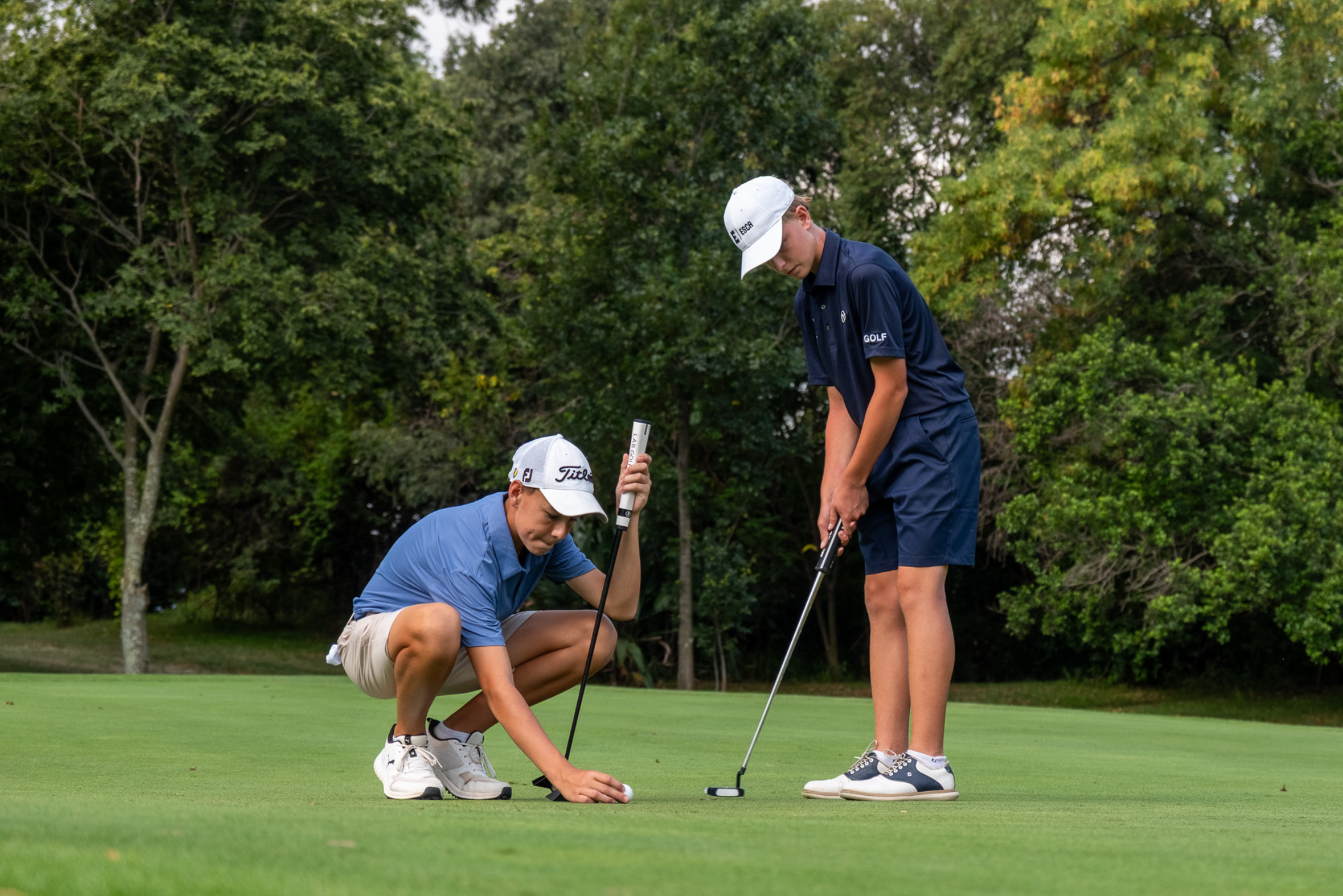
Golf is often seen as a technical sport. People focus on the swing, the grip, the stance and the hours spent on the range. While all of that matters, it only tells part of the story.
At a high level, golf is also a sport of decision-making, emotional control, strategy and self-leadership. In many ways, a golfer has to think like a CEO. They have to assess risk, make decisions under pressure, adapt to changing conditions and take ownership of the outcome.
That is what makes golf such a powerful development environment for young athletes. It builds far more than technical ability. It builds the mind behind the performance.
A golfer does not simply step up and hit the ball. Before every shot, they have to read the conditions, understand the lie, consider the wind, choose the right club and decide what the smartest option is in that moment.
Once that decision is made, they have to commit to it fully.
This is where the CEO mindset begins. Strong leaders do not act on impulse. They assess the situation, understand the bigger picture and make the best possible choice with the information available to them.
Golf teaches young athletes to do the same. It encourages them to pause, think clearly and act with intention.
One of the greatest lessons golf teaches is that the boldest shot is not always the best shot.
Sometimes the smartest decision is to aim for the centre of the green. Sometimes it is to lay up. Sometimes it is to recover well instead of forcing a risky shot. These decisions may not always look dramatic, but they are often the difference between a round that holds together and a round that unravels.
For a golfer, performance is not about proving something with every swing. It is about making the decision that gives them the best chance of success over time.
That is leadership.
Golf exposes emotion quickly. A missed putt, a poor shot, a difficult bounce or a disappointing hole can test an athlete’s mindset immediately.
The challenge is not to avoid emotion completely. The challenge is to manage it well enough to make the next decision clearly.
The best golfers are not the ones who never feel pressure. They are the ones who know how to respond to it. They learn how to reset after frustration, stay composed under pressure and keep their focus on what is still within their control.
That is also what strong leaders do. They do not allow one setback to derail the whole plan. They assess, adjust and move forward.
A CEO is responsible for the direction, culture and performance of an organisation. A golfer is responsible for the direction, mindset and performance of themselves.
That does not mean they do it alone. Great golfers need coaching, strength and conditioning, wellness support, academic structure and a development environment that understands the full student-athlete.
But when they step onto the course, they have to own the moment. They have to trust their preparation, make the decision, take the shot and respond to the outcome.
This is the CEO mindset of a golfer: the ability to lead yourself before expecting the result to follow.
When a young golfer develops this mindset, they are learning skills that extend far beyond the sport. They are learning how to think under pressure, make better decisions, manage emotion, take responsibility and stay committed to long-term growth.
At ESCA, this is the bigger picture. The focus is not only on developing golfers for the next tournament, but on developing student-athletes with the mindset, structure and support to perform in sport, in education and in life.
The greatest advantage in golf is not only the swing. It is the mind leading it.