The Importance of Academics for Student-Athletes
March 4, 2026
·
Academics


In high performance sport, attention naturally gravitates toward results. Trophies, rankings, and selections are visible markers of progress and achievement. However, for student-athletes, academics are not secondary to performance. They are fundamental to it.
Education is not a contingency plan in case sport doesn’t work out. It is a strategic pillar that strengthens opportunity, identity, and long-term success.
Sport careers are inherently uncertain. Even the most talented athletes face variables beyond their control, including injuries, selection changes, and shifting competitive landscapes. A strong academic foundation ensures that opportunity does not end when competition does.
Academic performance opens doors to university scholarships, international recruitment pathways, and career options that extend well beyond the field or court. Universities and professional organisations increasingly seek well-rounded individuals who demonstrate intellectual capability alongside athletic excellence.
When academics are prioritised, student-athletes position themselves not only as strong competitors, but as valuable long-term investments.
There is a compelling reason why a significant percentage of Fortune 500 CEOs participated in competitive sport during their youth or collegiate years. Sport cultivates discipline, resilience, and the ability to perform under pressure. Education develops analytical thinking, communication skills, strategic planning, and decision-making.
When these two worlds intersect, leadership is formed.
Academic environments challenge student-athletes to manage time effectively, think critically, articulate ideas clearly, and take ownership of their responsibilities. These are the same competencies required in boardrooms, entrepreneurial ventures, and leadership roles across industries. The objective is not solely to produce professional athletes, but to shape individuals capable of excelling in any high performance environment.
The classroom demands consistency, preparation, and sustained focus. Academic success cannot be achieved through talent alone; it requires structure and accountability. When student-athletes balance rigorous training schedules with academic responsibility, they learn how to prioritise, adapt, and persevere.
This dual commitment strengthens character.
Managing assessments alongside competition schedules teaches resilience. Preparing for examinations while maintaining performance standards develops mental discipline. Over time, these habits become internalised, forming the foundation of a mature and dependable individual.
Character, once built, extends far beyond sport.
High school victories are momentary. Identity is lasting.
Academics ensure that a student-athlete’s sense of self is not defined solely by performance outcomes. They provide intellectual confidence and broader perspective. Education reinforces the understanding that success is multifaceted and that excellence can be pursued in multiple domains simultaneously.
When sport and academics are aligned within a structured ecosystem, development becomes balanced and sustainable. The athlete learns to compete fiercely while thinking strategically about their future.
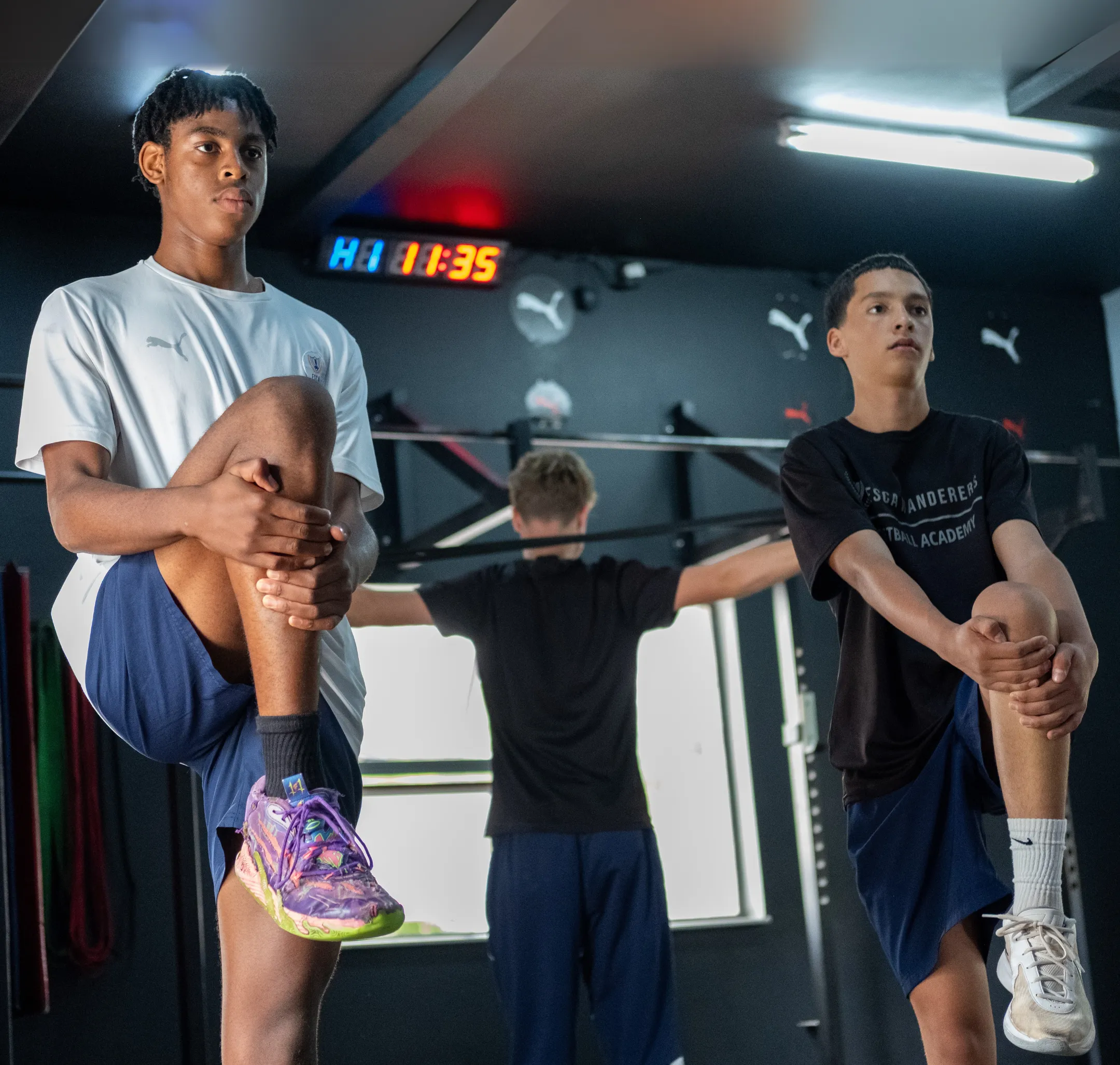
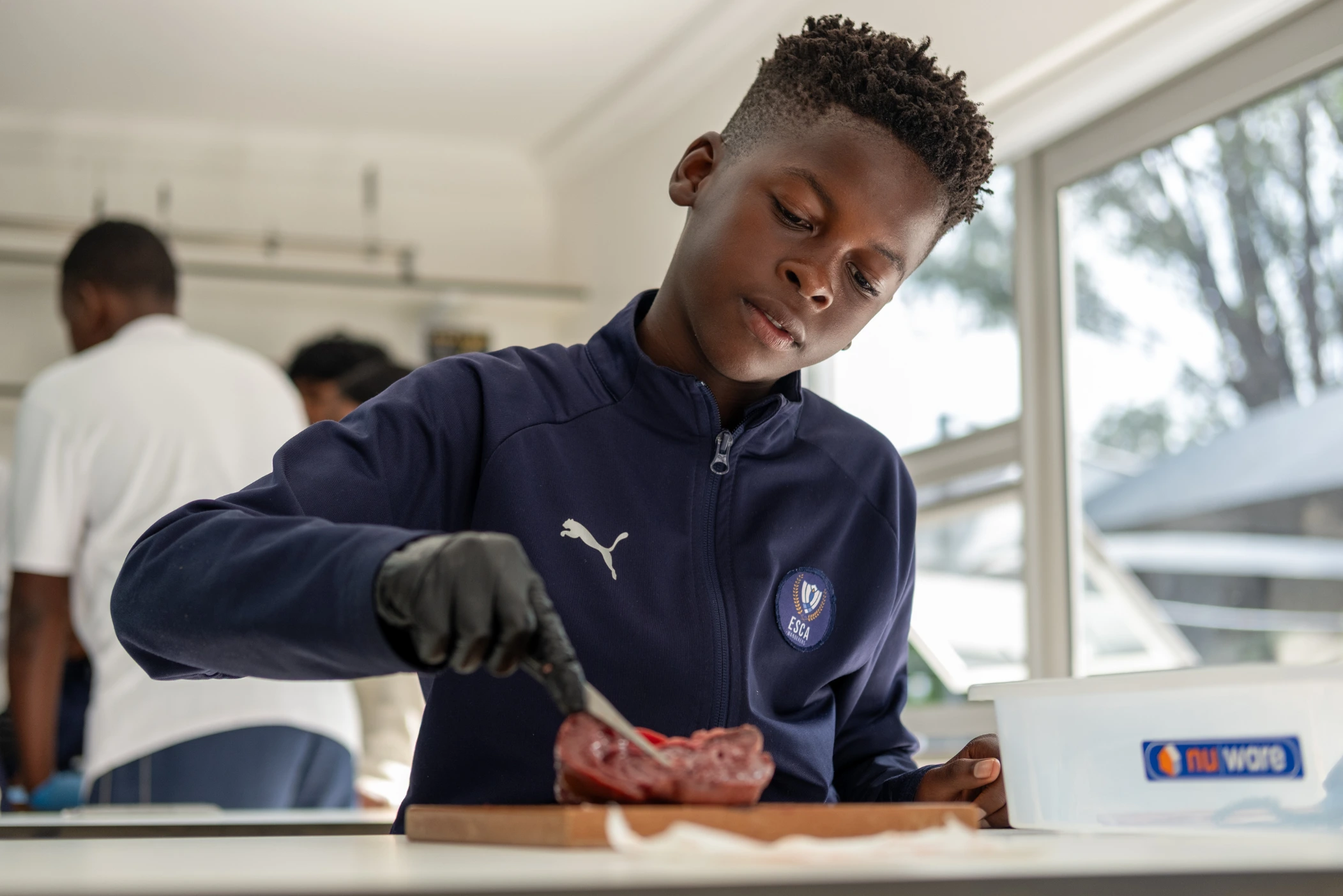
At ESCA, academics and sport are not competing priorities; they are integrated components of a unified development model. We prepare student-athletes for global opportunities by delivering an internationally benchmarked academic pathway alongside elite performance structures. This alignment ensures that every athlete develops not only physically and technically, but intellectually and strategically.
Our objective is clear. Develop leaders. Build character. Create global options.
Because ultimately, long-term success is not determined only by what a student-athlete wins in high school. It is determined by where they are able to go next — and who they have become in the process.